

Type 1 - The Reformer
Cancer

Type 1 Cancer (The Reformer): Complete Personality Guide

Discover the unique personality of Type 1 Cancer. Explore how The Reformer's core motivations blend with Cancer's water energy for insights on strengths, challenges, career, and relationships.

Core Desire
To be good
Wings
1w9 / 1w2
Element
Water
Growth Direction
→ Type 7

Overview

A Type 1 Cancer can feel like a warm home with a strict set of house rules. You’re tender, protective, and emotionally tuned-in (hello, Cancer Moon energy), yet you also have that inner Type 1 “editor” who keeps scanning for what’s off: the unfair comment, the messy plan, the unspoken expectation, the way someone got overlooked. For you, being “good” isn’t just about moral logic—it’s personal. It’s about care. It’s about doing right by people, especially the ones you love.

What makes an Enneagram 1 Cancer different from other Type 1s is that your perfectionism often shows up in the emotional and relational world, not just the practical one. Some Type 1s aim their standards at productivity or systems. You might aim yours at *how people treat each other*, what “family” should look like, how a relationship “should” feel, and how loyalty should be honored. You notice tone. You remember the exact moment someone’s mood changed. You keep receipts—but not to punish. Usually, it’s because your heart is trying to protect something sacred: trust.

Your core fear—being corrupt, evil, or defective—can land in a Cancer-shaped way. Instead of only worrying “Am I doing the right thing?”, you may also worry “Am I being a good person to the people who count on me?” The Moon-ruled Cancer vibe makes conscience emotional. If you make a mistake, your inner critic doesn’t just lecture; it *aches*. You can carry guilt like it’s your job. And because Cancer is loyal and tenacious, you don’t easily let yourself “off the hook.”

At your best, Type 1 Cancer energy is quietly heroic. You show up, you remember, you protect, you advocate, you improve what’s broken—often in ways that aren’t flashy. You can be the person who makes sure everyone has a place at the table and that the table is set with dignity. You’re principled, yes, but also nurturing. You don’t only want a better world; you want a safer one.

At your worst, the same combination can tighten into guardedness and moral defensiveness. When you feel unappreciated or emotionally unsafe, you may become sharper, more controlling, or quietly resentful. The Type 1 part tries to fix the discomfort by becoming “more correct.” The Cancer part tries to fix it by pulling back into a shell. If you’ve ever thought, “If I don’t hold this together, nobody will,” that’s a classic Enneagram 1 Cancer pressure point—and it’s also where your growth begins.
Ready to Discover Your Complete Profile?

Join 10,000+ people who've unlocked their full personality insights. Your chart is free forever.

Get Your Free Chart

Core Personality

The inner judge with a tender heart

A Type 1 Cancer has an inner voice that’s both protective and demanding. Type 1 brings the strict moral compass: “Be responsible. Be consistent. Be better.” Cancer brings the emotional radar: “Be kind. Be loyal. Be safe.” Put together, you often feel responsible not only for doing things correctly, but for keeping the emotional temperature of your environment steady.

This is why an Enneagram 1 Cancer can be deeply affected by disharmony. A careless joke, a broken promise, a messy conflict—those don’t just register as problems to solve; they can feel like threats to the bond. You may try to restore order through “rightness” (Type 1) and through caretaking (Cancer). Sometimes you’re the one smoothing things over, making the apology happen, or guiding everyone back to “how we treat each other in this family.”

Because Cancer is a water sign, your standards often come with feelings attached. When you fall short, you may not just think, “I messed up.” You may feel, “I’m disappointing” or “I’m unsafe to love.” That’s your core fear getting emotional weight. The work is learning that mistakes are not character defects—and that your goodness isn’t fragile.

The Cancer shell: boundaries, loyalty, and memory

Cancer energy is famous for loyalty, and in a Type 1 Cancer, loyalty becomes a principle. You don’t just *prefer* commitment; you often believe in it. You want to be someone people can count on, and you expect that same integrity back. When you give your word, it matters. When someone else doesn’t, it can feel like a moral injury.

You also tend to remember emotional details. The Moon stores moments: who checked in, who didn’t, who made you feel small, who protected you. For an Enneagram 1 Cancer, that memory can fuel devotion—or quiet resentment. If you’ve ever thought, “I’m always the one who holds it together,” you’re touching a common pattern: you over-function because it feels morally right, then you feel unseen, then the inner critic tightens.

Here’s the tricky part: Cancer protects by withdrawing, while Type 1 protects by correcting. So when you feel hurt, you might go quiet *and* become internally judgmental. You may not explode; you may simply become colder, more “proper,” more distant. To you, it feels like self-control. To others, it can feel like a wall.

Wing flavors: 1w9 vs 1w2 in Cancer

Type 1w9 Cancer often looks like the “calm caretaker with firm values.” The 9 wing softens the edge: you may avoid conflict, swallow irritation, and try to keep peace. You can be gentle, steady, and quietly stubborn. You might not correct people out loud—but you’ll correct them in your head, and you’ll reorganize the situation so the “right” thing happens anyway. This version of Type 1 Cancer often needs help expressing anger in real time, instead of turning it into fatigue or passive resentment.

Type 1w2 Cancer tends to be the “protector-helper with standards.” The 2 wing adds warmth, involvement, and a drive to be needed. You may show love through fixing, advising, reminding, and anticipating. You can be incredibly supportive—but also prone to feeling responsible for everyone’s choices. This Enneagram 1 Cancer variation may struggle with martyrdom: “I do everything, and nobody appreciates it.” The growth is learning that love doesn’t require self-erasure.

Both wings share Cancer’s emotional sensitivity. The difference is how you manage it: the 9 wing numbs and smooths; the 2 wing engages and rescues.

Arrows: stress to 4, growth to 7 (Cancer edition)

When a Type 1 Cancer is stressed, the arrow to Type 4 can show up as emotional intensifying and self-comparison. You might feel misunderstood, uniquely burdened, or quietly tragic—like you’re the only one who cares enough. Your inner critic can shift into, “No one sees me,” or “I’m too much/not enough.” You might replay old hurts, romanticize what should have been, or feel stuck in a mood you can’t “fix.”

In growth, you move toward Type 7: more flexibility, more joy, more permission to be human. For an Enneagram 1 Cancer, this can feel like learning to laugh without guilt. It can look like trying something without perfect preparation, letting the house be imperfect for an afternoon, or choosing connection over correction. Type 7 growth doesn’t mean you stop caring. It means you stop treating joy like it has to be earned.

A healthy Type 1 Cancer keeps their values—but loosens their grip. You still protect what matters. You just don’t punish yourself (or others) for being real people.

Strengths

1) Heart-led integrity

A Type 1 Cancer doesn’t just want to be ethical in theory—you want to be ethical in a way that *protects people*. You’re the person who notices when someone is being subtly excluded, or when a decision is “technically fine” but emotionally harmful. Your integrity has a heartbeat.

In everyday life, this can look like speaking up when someone is treated unfairly, even if it’s awkward. Or it can look like quietly making sure the vulnerable person gets support. You don’t need applause; you need to know you did the right thing.

2) Loyalty that feels like shelter

Cancer loyalty is famous, but in an Enneagram 1 Cancer, it becomes steadfastness with standards. You don’t just stick around—you show up with reliability and follow-through. People can feel safe with you because you’re consistent.

You’re often the one who remembers birthdays, checks in after hard days, and keeps traditions alive. Your presence can feel like a sturdy porch light: “You can come home here.”

3) Emotional responsibility (the healthy kind)

At your best, Type 1 Cancer energy takes emotions seriously without drowning in them. You can name what’s happening under the surface and guide others toward repair: “That comment landed harshly. Let’s talk about it.”

This is a rare gift: you blend emotional intelligence (Cancer) with moral clarity (Type 1). You can help people grow without humiliating them.

4) Protective advocacy

Many Type 1 Cancer folks are natural advocates—especially for children, families, community needs, and “the little guy.” Your care isn’t vague; it’s practical. You’ll research resources, make calls, organize support, and hold people accountable.

Water energy makes you compassionate, and Type 1 makes you persistent. Once you decide something matters, you don’t let it go.

5) Quiet perseverance

Cancer is tenacious, and Type 1 is disciplined. Together, you’re the person who keeps going when everyone else burns out. You can maintain routines, uphold quality, and stay committed to long-term goals.

This is especially powerful in roles that require patience: caregiving, education, health, community leadership, editing, compliance, or anything that benefits from steady improvement over time.

6) Creating “safe structure” for others

A Type 1 Cancer often builds environments that feel both organized and emotionally considerate. You can set boundaries in a way that actually helps people relax. You’re good at clear expectations: “Here’s what we’re doing, here’s when, and here’s how we’ll treat each other.”

In families and teams, this can be a superpower. People often don’t realize how much your behind-the-scenes structure reduces anxiety.

7) Deep empathy with standards

Some people are empathic but can’t intervene. Others intervene but aren’t empathic. An Enneagram 1 Cancer can do both: you feel what’s happening, and you’re willing to do something about it.

This can look like coaching someone gently but firmly, or refusing to enable harmful behavior while still offering compassion. You can say, “I love you, and this needs to change.”

8) Strong intuitive pattern recognition

Cancer’s imaginative, Moon-ruled intuition pairs with Type 1’s detail focus. You often sense patterns: what’s drifting off track, what’s being avoided, what will cause future issues.

This is why a Type 1 Cancer can be excellent at prevention—catching problems early, improving systems, and anticipating needs before they become emergencies.

9) Devotion to home, tradition, and meaning

Many Type 1 Cancer people carry a sacredness about home and family—whether chosen or biological. You’re often the keeper of stories, recipes, photos, rituals, and “how we do things.”

This isn’t just nostalgia. It’s your way of protecting meaning. You remind people that love is built through small, repeated acts.

10) Courage to repair and restore

Because you care so deeply, you often become the person who initiates repair. You apologize sincerely. You try again. You ask the hard question. You clean up the mess—emotionally or literally.

A healthy Enneagram 1 Cancer can transform relationships because you don’t settle for “fine.” You aim for honest, respectful, and safe.

Challenges & Growth Areas

1) Guilt that sticks like glue

For a Type 1 Cancer, guilt can feel physical. Your core fear of being defective can merge with Cancer sensitivity, turning small mistakes into big identity stories: “I’m a bad partner,” “I’m a bad friend,” “I’m failing.”

Growth move: practice separating *behavior* from *character*. Try saying, “That choice didn’t match my values” instead of “I’m terrible.” You’ll still take responsibility, but without self-punishment.

2) Emotional perfectionism

Some Enneagram 1 Cancer folks try to be “perfectly calm,” “perfectly kind,” or “perfectly mature.” You may judge yourself for having messy emotions—especially anger, jealousy, or neediness.

Growth move: allow emotions to be information, not evidence. Feelings aren’t moral failures. They’re signals. Name them early, before they harden into resentment.

3) Resentment from over-giving

With Cancer caretaking and Type 1 duty, you may over-function: remembering everything, doing everything, fixing everything. Then you feel alone in the load.

Growth move: ask directly for help *before* you’re exhausted. If you’re 1w2, notice where “helping” becomes control. If you’re 1w9, notice where “keeping peace” becomes silence.

4) Withdrawing into the shell (and judging from inside it)

When hurt, a Type 1 Cancer can go quiet, polite, and distant. Meanwhile, the inner critic compiles a list of grievances. Others may not even know you’re upset.

Growth move: practice “small truth” conversations. You don’t have to unload everything—just start with one honest sentence: “That didn’t feel good,” or “I need reassurance.”

5) Stress arrow to Type 4: feeling misunderstood and alone

Under stress, an Enneagram 1 Cancer can slip into Type 4 patterns: feeling uniquely burdened, emotionally flooded, or convinced that no one can meet you at your depth.

Growth move: reality-check your story. Ask, “What’s fact? What’s my interpretation?” Then do one grounding action: a walk, a shower, a meal, a direct text. Mood is real, but it’s not always accurate.

6) Control disguised as care

Because you genuinely want what’s best, you may micromanage routines, choices, or emotional expressions. You might correct someone’s tone, their wording, their timing—thinking you’re helping.

Growth move: try replacing correction with curiosity. Ask, “What do you need right now?” or “How can I support you?” Let other people be imperfect without treating it like danger.

7) Taking things personally (even when they aren’t)

Cancer sensitivity can make neutral behavior feel loaded. A late reply can feel like rejection. A distracted partner can feel like disinterest. Then Type 1 adds a moral layer: “If they cared, they’d do better.”

Growth move: communicate your needs clearly, without accusation. “When I don’t hear back, I start to worry. Can we agree on a quick check-in text?”

8) Difficulty receiving care

Many Type 1 Cancer people are excellent at giving care but awkward at receiving it. You may feel you have to earn comfort or prove you deserve support.

Growth move: practice receiving without correcting. When someone helps, say “thank you” instead of explaining how they could do it better. Let love land.

Career & Work

Ideal work environments for a Type 1 Cancer

A Type 1 Cancer thrives in places where values matter and people matter. You do best when your work has a clear purpose, ethical standards, and real-world impact. You’re not just chasing status—you’re trying to build something you can respect.

You’ll usually prefer environments that feel steady and human: supportive teams, consistent expectations, and leadership that cares about integrity. You may not love chaotic workplaces where rules change daily or where people are rewarded for being loud rather than responsible.

Because Cancer is water, emotional atmosphere matters. You can do hard work, but you struggle when the vibe is cold, cutthroat, or dismissive of people’s needs.

Work style: conscientious, protective, improvement-focused

An Enneagram 1 Cancer often works like a guardian of quality. You notice details, keep promises, and uphold standards even when nobody’s watching. You’re likely the person who remembers the policy, catches the error, or asks, “Is this fair?”

You may also take on emotional labor at work—checking on coworkers, smoothing conflict, mentoring new people, or quietly making things feel safe. That can make you beloved, but it can also exhaust you if you don’t set boundaries.

If you’re 1w9, you might prefer independent work, stable routines, and minimal drama. If you’re 1w2, you may be more people-facing, service-driven, and relationally involved.

Careers that fit (15+ job titles) and why they work

These roles often suit a Type 1 Cancer because they combine service, ethics, protection, and steady improvement:

  • Teacher / Middle School Teacher — you bring structure and care; you protect students emotionally.
  • School Counselor — values + empathy; you help kids feel safe and guided.
  • Social Worker — advocacy and loyalty to vulnerable people.
  • Therapist / Counselor — emotional intelligence with a strong ethical framework.
  • Nurse — caregiving with responsibility and standards.
  • Occupational Therapist — patient progress, practical help, long-term support.
  • Dietitian / Nutritionist — caring guidance with a principled approach to health.
  • Nonprofit Program Manager — mission-driven structure; improving real lives.
  • Community Outreach Coordinator — relational work with meaningful impact.
  • HR Specialist (Ethics-focused) — fairness, policy, conflict repair.
  • Compliance Officer — integrity, rules, protection of the organization and people.
  • Quality Assurance Analyst — detail-oriented improvement; high standards.
  • Editor / Proofreader — Type 1 precision plus Cancer’s sensitivity to tone.
  • Grant Writer — storytelling + mission; supporting causes that matter.
  • Child Advocate / Guardian ad Litem — protection, moral clarity, loyalty.
  • Mediator — helping people repair conflict with respect.
  • Patient Advocate — ensuring people are treated fairly in healthcare.
  • Project Manager (mission-driven org) — structure, timelines, accountability.

A Type 1 Cancer often excels anywhere you can protect people from chaos—through systems, care, and consistency.

Best industries for Enneagram 1 Cancer energy

Look for fields where ethics, safety, and support matter:

  • Education (schools, special education, curriculum)
  • Healthcare (hospitals, clinics, community health)
  • Mental health and counseling
  • Nonprofits and community services
  • Public service / government (especially policy, social services)
  • Human resources and organizational development
  • Legal support roles (family law support, advocacy)
  • Publishing and communications (editing, content strategy)

You’re often happiest when your work feels like it strengthens the “home” of a community—whether that’s a literal family system or a workplace culture.

What to avoid (or approach carefully)

A Type 1 Cancer may struggle in:

  • High-chaos startups with no boundaries or structure
  • Sales roles that require constant persuasion without deeper meaning
  • Workplaces where ethics are flexible or corners are cut
  • Highly competitive environments that reward aggression over care
  • Roles with constant conflict and no pathway to resolution

That doesn’t mean you can’t succeed there—you can—but it may cost you emotionally. You’ll need strong self-care and clear boundaries.

Leadership style: the values-based protector

As a leader, a Type 1 Cancer tends to be fair, steady, and protective. You’ll likely lead through consistency: clear expectations, follow-through, and a strong sense of what’s acceptable.

Your growth edge is letting people learn without feeling like you must prevent every mistake. When you integrate toward Type 7, you can become a leader who still holds standards—but also inspires creativity, play, and resilience.

Relationships

Romantic love: devotion, tenderness, and high standards

A Type 1 Cancer loves with seriousness. You’re not casual about commitment—you’re building something. You tend to be loyal, protective, and emotionally attentive, often remembering the little things that make your partner feel cared for.

But your standards can sneak in. You might correct, hint, or quietly expect your partner to “just know” what you need. When needs aren’t met, you may feel hurt *and* judgmental—especially if loyalty or effort feels uneven.

Growth move: ask clearly for what you want, without testing. “I’d love a check-in text when you’re running late” lands better than silent disappointment.

Communication: gentle tone, strong meaning

Many Enneagram 1 Cancer folks communicate with care—until they don’t. You might start polite and controlled, but if you feel dismissed, the emotional wave can rise fast.

Try to speak earlier, smaller, and softer. Don’t wait until you’ve built a case in your head. A simple “I’m feeling sensitive today” can prevent a bigger blow-up later.

Conflict: the push-pull between correction and withdrawal

In conflict, Type 1 Cancer can alternate between two instincts:

  • Type 1: “Let’s fix this. Here’s what’s wrong.”
  • Cancer: “I don’t feel safe. I’m going quiet.”

The problem is that withdrawal can feel like punishment to others, and correction can feel like criticism. The repair is naming the real feeling under it: fear, sadness, disappointment, longing.

When you’re growing toward Type 7, you’re more willing to lighten the grip and try again with warmth: “We’re on the same team.”

Friendships: loyal, selective, deeply invested

A Type 1 Cancer often prefers a smaller circle with strong trust. You’re the friend who shows up with soup, remembers details, and defends people you love. You value sincerity and consistency.

Watch for the pattern of giving more than you receive. You may rationalize it as “being good,” but it can leave you depleted. Practice letting friendships be reciprocal—or letting them fade if they aren’t.

Family and chosen family: keeper of the emotional home

Family themes often matter to a Type 1 Cancer—even if your family history is complicated. You may feel responsible for traditions, harmony, and emotional caretaking.

If you grew up having to be “the responsible one,” you may still carry that role. Healing can look like letting yourself be supported, not just being the supporter.

Compatibility with other Enneagram types (quick and real)

  • With Type 2: warm and supportive, but watch over-giving and unspoken expectations.
  • With Type 4: emotionally deep and meaningful, but can spiral into sensitivity and misunderstanding (especially under stress).
  • With Type 6: loyal and security-focused; great for building a safe life, but can become anxious or rigid.
  • With Type 7: your growth match—brings lightness; you bring stability. Watch feeling “too serious” or “too scattered.”
  • With Type 8: protective power couple potential, but conflict styles can clash if you feel bulldozed.
  • With Type 9: soothing and steady; great comfort, but avoid avoiding issues.

For a Type 1 Cancer, the healthiest relationships are the ones where you don’t have to earn love by performing goodness—and where your sensitivity is treated as something precious, not inconvenient.

See How You Connect With Others

Create your free personality chart and unlock compatibility insights with anyone.

Get Your Free Chart

Personal Growth

1) Practice “good enough” on purpose (and survive it)

A Type 1 Cancer grows when you learn that imperfection doesn’t break safety. Start small:

  • Leave one non-urgent task unfinished for a night
  • Send a message without rereading it five times
  • Let someone else host without fixing everything

Notice what comes up: anxiety, guilt, fear of judgment. That’s the core fear trying to keep you “pure.” Remind yourself: good enough is still good.

2) Move toward Type 7: schedule joy like it’s a responsibility

Your growth arrow is Type 7, which means joy is not a distraction—it’s medicine. Build joy into your life in concrete ways:

  • Plan one small adventure a week (new café, museum, hike)
  • Try a class just for fun (dance, pottery, improv)
  • Keep a “delight list” on your phone and actually use it

For an Enneagram 1 Cancer, this can feel rebellious at first. That’s okay. Let joy be part of integrity.

3) Work with the inner critic like a relationship, not a dictator

Your inner critic probably thinks it’s protecting you. Talk back with compassion and firmness:

  • “I hear you. I’m still allowed to rest.”
  • “I can repair this without shaming myself.”
  • “Being human is not being corrupt.”

Try journaling two voices: Critic and Wise Self. A Type 1 Cancer often discovers the Wise Self sounds calmer, warmer, and more realistic—like the parent you deserved.

4) Learn clean anger (instead of emotional corrosion)

Anger isn’t unspiritual or unkind—it’s a boundary signal. Practice:

  • Naming anger early: “I’m getting frustrated.”
  • Stating a need: “I need follow-through.”
  • Setting a limit: “I’m not available for that.”

If you’re 1w9, your work is letting anger exist without numbing. If you’re 1w2, your work is letting anger exist without turning it into a lecture. For a Type 1 Cancer, clean anger protects love.

5) Shift from mind-reading to asking (Cancer upgrade)

Cancer intuition is powerful, but it can become assumption. Replace guessing with gentle questions:

  • “What did you mean by that?”
  • “Are we okay?”
  • “What support would help?”

This reduces the stress-arrow-to-4 spiral of “I’m misunderstood.” An Enneagram 1 Cancer becomes freer when you let people tell you who they are instead of proving it through patterns.

6) 15+ actionable practices for steady integration

Use these as a growth menu—pick a few and repeat them:

  1. Two-minute self-forgiveness daily: name one thing you did well and one thing you release.
  2. Weekly joy plan (Type 7): one fun outing, one playful activity at home.
  3. “Good enough” timer: stop a task at 90% and walk away.
  4. Boundary script practice: write 3 sentences you can reuse (“I can’t,” “I’m not available,” “I need time”).
  5. Receive without fixing: when someone helps, only say “thank you.”
  6. Anger-to-need translation: “I’m angry because I need ___.”
  7. Body check-ins: water signs store emotion in the body—scan shoulders, jaw, stomach.
  8. Moon-style reflection: track moods for a month; look for patterns (sleep, food, conflict, overstimulation).
  9. Repair within 24 hours: one honest conversation instead of a week of quiet resentment.
  10. Play with a child/pet: simple, regulating, Type 7-friendly.
  11. Creativity without outcome: paint, cook, write—no posting, no grading.
  12. Ask for reassurance directly once a week (small, specific).
  13. Delegate one task you normally hoard.
  14. Practice “both/and” thinking: “I’m good AND I made a mistake.”
  15. Value-based rest: rest as devotion, not reward.
  16. Compassionate reframe: speak to yourself like you would to someone you love.
  17. One spontaneous yes per week (safe spontaneity): a last-minute walk, a new recipe, a new playlist.

Reflection questions (go slow, be honest)

For a Type 1 Cancer, these questions can open the locked door gently:

  • Where did I learn that love requires being “good” all the time?
  • What emotion do I judge most in myself—and why?
  • What would change if I believed my needs were not a burden?
  • When I correct others, what am I actually afraid of?
  • What does joy feel like in my body when I allow it?
  • Who do I feel safest with, and what makes that safety?

Integration guidance: keep the values, soften the grip

You don’t need to become someone else to grow. You’re not here to stop caring. You’re here to stop carrying everything alone.

When a Type 1 Cancer integrates, you still have integrity—but it’s kinder. You still protect people—but you also protect your own heart. You still want to improve life—but you let life be alive, messy, funny, and surprising.

That’s the real Type 7 direction for you: not chaos, but freedom. Not irresponsibility, but ease. And not perfection—but love that can breathe.

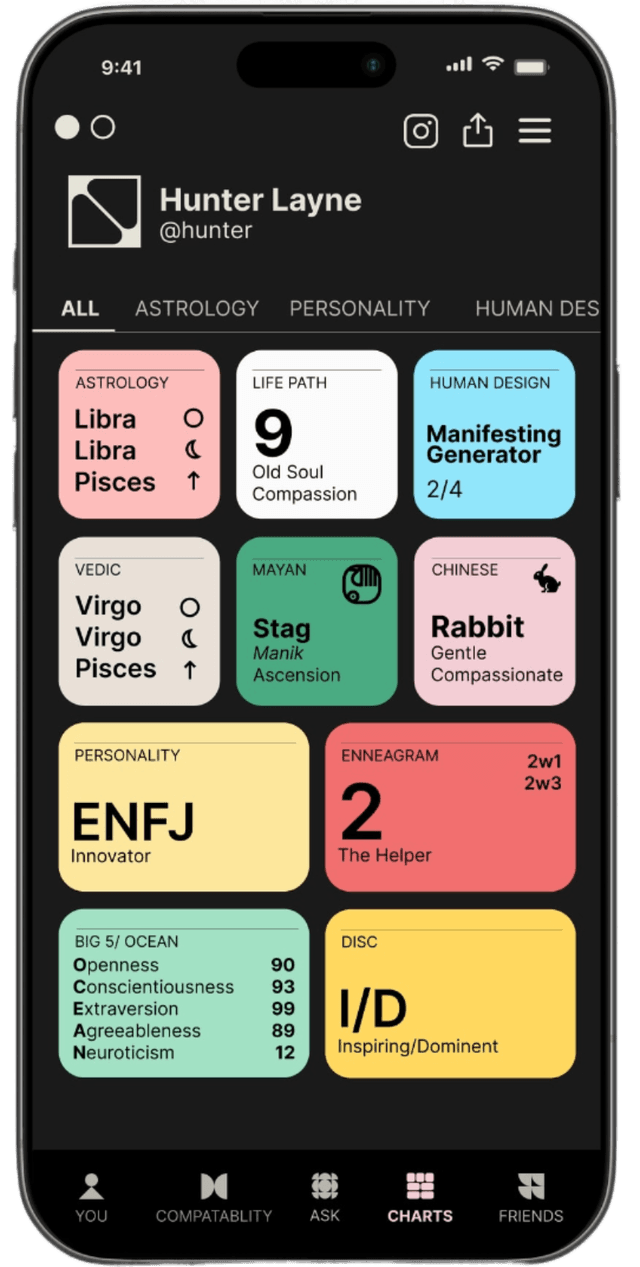
Mirror personality chart example showing MBTI, astrology, enneagram and more
✨ Trusted by 10,000+ users

Get Your Complete Personality Chart

Discover your full personality profile combining MBTI, astrology, enneagram, and 10+ other systems. Your chart is completely free, unlock AI insights and compatibility analysis with Mirror Pro.

⚡ Takes 2 minutes
🔒 100% Private
📊 Free Forever
✨ Pro features available

Explore Related Types