

Type 2 - The Helper
Capricorn

Type 2 Capricorn (The Helper): Complete Personality Guide

Discover the unique personality of Type 2 Capricorn. Explore how The Helper's core motivations blend with Capricorn's earth energy for insights on strengths, challenges, career, and relationships.

Core Desire
To feel loved and appreciated
Wings
2w1 / 2w3
Element
Earth
Growth Direction
→ Type 4

Overview

If you’re a Type 2 Capricorn (or you love one), you’ve probably noticed something that doesn’t always match the usual “Helper” stereotype. Yes, you’re warm, loyal, and tuned in to what people need. But you’re also measured. You don’t always gush. You might not even *look* like the most emotional person in the room. You care deeply—yet you show it in practical, steady, almost “let me handle this” ways. That’s the signature of the Enneagram 2 Capricorn: a heart-forward person with Saturn’s backbone.

At your core, Type 2 is driven by the desire to feel loved and appreciated, and haunted by the fear of being unwanted or unworthy of love. Capricorn doesn’t erase that fear—it *organizes* it. Instead of chasing love through big emotional displays, you might chase it through reliability, competence, and being the person others can count on. In other words, a Type 2 Capricorn often tries to earn love by becoming essential. You’re the one who remembers deadlines, pays attention to what’s falling apart, and quietly fixes it before anyone else even notices.

Compared to other Twos, you tend to be less openly needy (even when you’re desperately craving appreciation). Capricorn energy can make you proud, private, and self-controlled. You may think, “If I’m low-maintenance, I’ll be easier to keep.” Or, “If I’m useful, they won’t leave.” So you give—your time, your effort, your planning skills, your loyalty—hoping the relationship will feel secure. A lot of Enneagram 2 Capricorn people become the “responsible nurturer”: the one who makes sure everyone is okay, not just emotionally, but financially, logistically, and long-term.

You also tend to take relationships seriously. You’re not here for flaky connections. When you commit, you commit. That can feel incredibly safe to others—your love has weight to it. But it can also create a quiet pressure inside you: *If I’ve invested this much, I need it to mean something.* That’s where the Type 2 fear of being unwanted meets Capricorn’s fear of failure or wasted effort. A Type 2 Capricorn can become intense about reciprocity—not always in words, but in expectations.

At your best, you’re a builder of people and communities. You don’t just comfort someone—you help them get stable. You help them get the job, stick to the plan, and believe in themselves. At your hardest moments, you can slip into over-functioning, control, or resentment: “I did everything. Why don’t they see me?” This guide is here to help you recognize your unique patterns as a Type 2 Capricorn, so your care can stay generous without becoming exhausting.
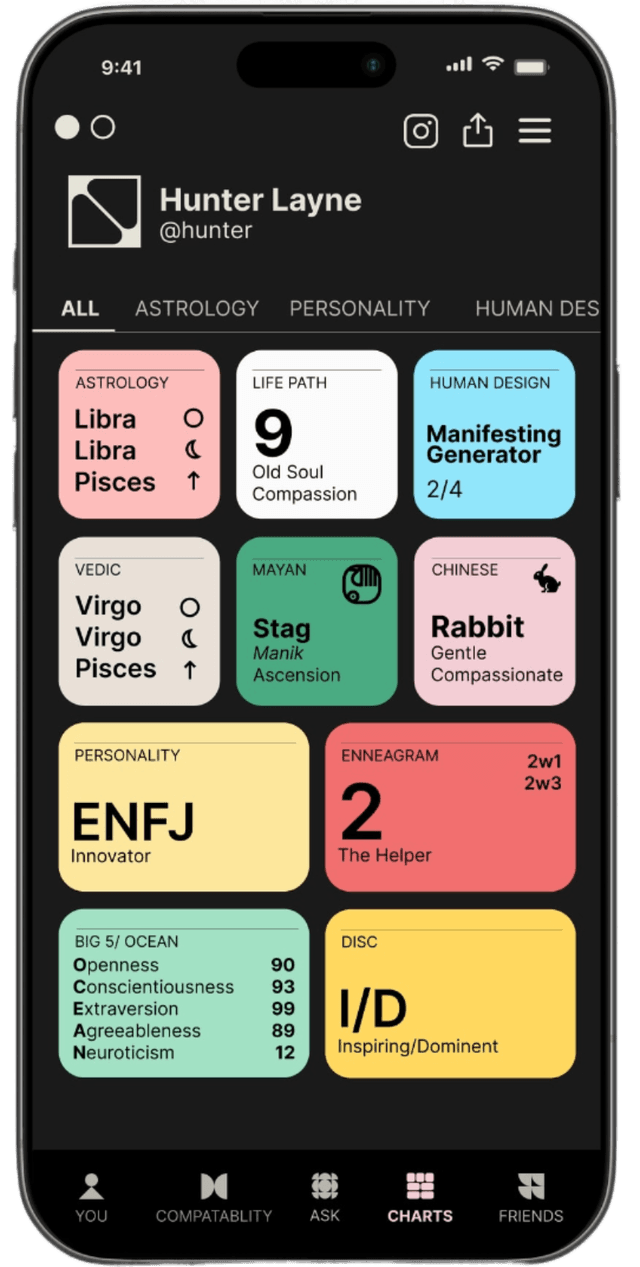
Ready to Discover Your Complete Profile?

Join 10,000+ people who've unlocked their full personality insights. Your chart is free forever.

Get Your Free Chart

Core Personality

The “practical heart”: how love becomes responsibility

A Type 2 Capricorn usually loves through actions more than speeches. You’ll bring soup, yes—but you’ll also schedule the appointment, text the reminder, and follow up to make sure it actually happened. Your help tends to be structured. Capricorn’s Saturn influence adds seriousness and duty to Type 2’s natural warmth, so you may feel responsible for other people’s well-being.

This is where your core desire—to feel loved and appreciated—gets translated into Capricorn language: *respect, reliability, and long-term loyalty.* You may feel most loved when someone trusts you with real responsibilities, listens to your advice, or includes you in their plans. Compliments are nice, but consistency is what lands in your heart.

The shadow side is that you can start confusing love with labor. If you’re not careful, you may believe you have to “earn” closeness by being useful. That can make resting feel uncomfortable, like you’re falling behind in the relationship.

The inner contract: “I’ll take care of you, and you’ll stay”

Many Enneagram 2 Capricorn people run on an unspoken agreement: *I’ll be dependable, and you’ll value me.* You often give with a long-term lens. You’re not just helping for today—you’re investing in a future where the bond is secure.

But because this contract is rarely spoken out loud, it can turn into silent disappointment. You might do a hundred supportive things, hoping the other person will instinctively respond with appreciation, loyalty, or commitment. When they don’t, it can hit your core fear: *Maybe I’m not actually wanted—maybe I’m only tolerated for what I do.*

Capricorn can make it hard to admit you need reassurance. You might think asking directly is “too much” or “not dignified.” So you tighten your grip on being helpful, hoping it will speak for you.

Wings: 2w1 vs 2w3 in Capricorn clothing

2w1 (The Servant/Advocate) in Capricorn often looks like the ethical caretaker. You want to help in ways that are correct, responsible, and genuinely good for the other person. You may be drawn to service roles, mentoring, or community leadership. You can be principled and self-sacrificing, but also quietly judgmental when others are careless or ungrateful. A Type 2 Capricorn 2w1 may struggle with perfectionism: “If I do it right, I’ll be valued.”

2w3 (The Host/Achiever) in Capricorn tends to be the polished supporter. You’re still caring, but you’re also image-aware and goal-focused. You want to be the person who holds everything together *and* looks competent doing it. You might be drawn to leadership, management, fundraising, PR, or client-facing roles. A Type 2 Capricorn 2w3 can become overly invested in being impressive or indispensable, then feel secretly hurt when recognition doesn’t match effort.

Both wings in Capricorn can look “high-functioning.” The difference is the flavor: 2w1 leans toward duty and morality; 2w3 leans toward achievement and influence.

Arrows: stress to 8, growth to 4—how it shows up in you

When a Type 2 Capricorn is stressed, you can move toward Type 8 patterns: more blunt, controlling, and protective. You may feel like you have to take charge because no one else is stepping up. Instead of asking for appreciation, you might demand respect. Instead of admitting hurt, you might get tough. The vibe becomes: “Fine. I’ll handle it myself—and don’t question me.”

In growth, you move toward Type 4: you learn to honor your own feelings and identity outside of being needed. This is huge for the Enneagram 2 Capricorn because Capricorn can over-identify with roles (caretaker, fixer, manager, responsible one). Type 4 growth says: *You are lovable even when you’re not performing.* You start asking, “What do I feel? What do I want? What’s beautiful or meaningful to me?”

This doesn’t make you less practical. It makes your practicality more alive—less transactional, more soulful. And that’s where your real power is.

Strengths

1) Steady loyalty that feels like a safe home

A Type 2 Capricorn doesn’t love casually. When you’re in someone’s corner, you’re *in*. You show up over time, not just during emotional highs. People feel protected by your consistency.

Unlike more spontaneous helpers, you often think in seasons and years. You’ll help someone build routines, stabilize their life, and keep going when motivation fades. Your care is durable.

2) Practical generosity (the kind that actually changes lives)

You’re not only emotionally supportive—you’re resourceful. A Type 2 Capricorn is likely to help with budgeting, planning, organizing, and making realistic steps.

You can turn empathy into a plan: “Okay, you’re overwhelmed. Let’s list what matters, pick one priority, and handle it.” That mix of warmth + structure is rare.

3) Quiet leadership that doesn’t need the spotlight

Many Enneagram 2 Capricorn people lead from the background. You coordinate, connect people, and make sure things run smoothly—often without needing applause (even though you *do* need appreciation).

Your leadership style is stabilizing. You don’t just motivate; you create systems that make success possible.

4) Emotional maturity through self-control

Capricorn gives you restraint, which can be a gift. You can stay calm when others panic. You’re often the person who can hold hard emotions without falling apart.

A Type 2 Capricorn can offer comfort that feels grounded: you don’t just validate feelings—you help people stay functional while they heal.

5) High standards for love (and the ability to build it)

You tend to value commitment, integrity, and follow-through. That means you’re less likely to waste time in shallow dynamics.

When healthy, a Type 2 Capricorn builds relationships like a strong foundation: clear promises, dependable behavior, and long-term care.

6) Excellent boundary instincts—when you trust them

Even though Type 2s can overgive, Capricorn gives you a natural sense of limits. You often *feel* when something is unsustainable.

When you honor that instinct, you become a powerful example of “loving without losing yourself.” You can say, “I care about you, and I’m not available for that.”

7) Skill at creating security for others

Security is your love language. You help people feel safe by making sure the important stuff is handled: money, schedules, health, plans, goals.

A Type 2 Capricorn often becomes the anchor in families, friend groups, and teams—the person who makes stability feel possible.

8) Respect-based compassion

You usually don’t pity people. You respect them. You want to help in a way that preserves dignity.

That’s a special strength of the Enneagram 2 Capricorn: you can be tender without being patronizing, supportive without being chaotic.

9) Long-term mentorship energy

You’re good at seeing potential and sticking around long enough to help it grow. You don’t just give advice—you check in, track progress, and keep believing.

Many Type 2 Capricorn people make incredible mentors, coaches, managers, and “second-parent” figures because you pair encouragement with accountability.

10) Deep integrity when you’re aligned

When you’re healthy, your giving is clean. You don’t use it to control. You don’t keep score. You help because it matches your values.

At that level, a Type 2 Capricorn becomes a force of steady goodness—someone whose care is both warm and trustworthy.

Challenges & Growth Areas

1) Over-functioning: doing too much so you don’t feel replaceable

Your core fear—being unwanted—can push a Type 2 Capricorn into “I’ll handle everything.” You may take on tasks before anyone asks, then feel resentful that no one notices.

Growth move: practice letting small things drop on purpose. Not as punishment—just to prove you’re still lovable when you’re not managing everything.

2) Resentment that leaks out through coldness or distance

Capricorn can make your hurt look like withdrawal. Instead of saying, “I feel unappreciated,” you may get quiet, efficient, and emotionally unavailable.

Try this: name the need early. “I’d love a thank-you,” or “Can you check in with me more?” Direct requests are not weakness—they’re clarity.

3) Control in stress (Type 8 arrow)

When overwhelmed, the Enneagram 2 Capricorn can become more forceful: giving orders, pushing decisions, or acting like the only competent adult in the room.

Ask yourself: “Am I protecting, or am I controlling?” Then choose one collaborative step—delegate, ask, or share the load.

4) People-pleasing through competence

Some Type 2 Capricorn people don’t people-please by being sweet—they do it by being impressive. You might think, “If I’m exceptional, they’ll stay.”

Growth move: allow yourself to be ordinary sometimes. Let someone see you tired. Let them help you.

5) Difficulty receiving (compliments, care, support)

You give easily, but receiving can feel awkward—like you’re in debt or losing control. Capricorn pride can make it hard to accept help.

Practice: when someone offers support, say “Yes, thank you” without immediately paying it back.

6) Emotional repression and delayed grief

Capricorn energy can encourage pushing feelings aside to stay functional. But Type 2 feelings don’t disappear; they stack up.

Growth toward Type 4: schedule emotional time. Journal, talk to a trusted person, or create something that lets feelings move through you.

7) Possessiveness disguised as “concern”

Because you invest so much, you may feel entitled to closeness or loyalty. It can come out as monitoring, guilt, or subtle pressure.

Try this: replace control with transparency. “I miss you and I’m feeling insecure,” lands softer than managing someone’s choices.

8) Confusing worth with usefulness

This is the big one for a Type 2 Capricorn: believing love must be earned through service.

Mantra to practice: “I can contribute *and* I can just be.” Your presence is part of the relationship—not just your output.

Career & Work

What work feels best to a Type 2 Capricorn

A Type 2 Capricorn thrives in roles where you can support people *and* build something stable. You want purpose, but you also want competence. You like measurable progress. You want to feel respected for your reliability.

You tend to do well when expectations are clear and the mission is meaningful. Chaotic workplaces that rely on constant emotional labor without structure will drain you fast.

Ideal environments (and what your nervous system wants)

You’ll usually prefer workplaces with:

  • Clear goals, timelines, and accountability
  • Leadership that recognizes effort consistently
  • A culture of loyalty and professionalism
  • Systems that prevent last-minute disasters

The Enneagram 2 Capricorn often becomes the “glue person,” but you do best when the whole system doesn’t depend on your overgiving.

Job titles that fit (15+), and why they work

Here are careers that often match the Type 2 Capricorn blend of service + structure:

1) Human Resources Manager — supporting people while creating policies and stability

2) Operations Manager — helping teams run smoothly; practical problem-solving

3) Project Manager — organizing people and timelines; dependable leadership

4) Executive Assistant/Chief of Staff — high trust, high responsibility, deep support role

5) School Counselor — care + guidance + long-term student growth

6) Academic Advisor — structured mentoring and planning

7) Social Work Case Manager — hands-on helping with real-world systems

8) Nurse (especially charge nurse) — care with leadership and routines

9) Occupational Therapist — practical, step-by-step support for independence

10) Speech-Language Pathologist — consistent helping with measurable progress

11) Nonprofit Program Director — mission-driven structure and community support

12) Fundraising/Development Manager — relationship building + strategic goals

13) Financial Coach — security-based helping; Capricorn-approved

14) Client Success Manager — loyalty-building, problem-solving, consistent follow-through

15) Community Health Coordinator — support through systems and education

16) Mediator — calm structure in conflict; dignity-focused compassion

17) Corporate Trainer — helping others succeed with organized teaching

A Type 2 Capricorn usually shines when the role rewards reliability, discretion, and long-term relationship building.

Industries that tend to be a natural match

Common good-fit areas for the Enneagram 2 Capricorn include:

  • Healthcare and allied health
  • Education and student services
  • Government or public administration
  • Nonprofits (especially well-run ones)
  • Corporate operations and people teams
  • Finance-adjacent helping roles (coaching, advising, benefits)

You often prefer “real world” impact: concrete outcomes, not vague promises.

Work style: how you actually operate day-to-day

A Type 2 Capricorn often works like this:

  • You plan ahead and think about consequences
  • You notice what others miss (especially practical needs)
  • You take pride in being dependable
  • You can carry heavy responsibility without complaining—until you crash

You may struggle with delegating because you don’t want to burden others, or because you don’t trust follow-through. Learning to delegate is both a career skill and a growth practice.

What to avoid (or you’ll end up resentful)

Try to avoid:

  • Roles with constant emotional crisis and no boundaries
  • Workplaces that praise “family” culture but exploit helpful people
  • Positions where success depends on being available 24/7
  • Teams with unclear leadership (you’ll end up running it unofficially)

For the Type 2 Capricorn, burnout often looks like becoming cold, controlling, or silently furious—classic stress-arrow-to-8 energy. The fix isn’t “care less.” It’s “care with structure.”

Relationships

Romantic love: commitment is your comfort zone

A Type 2 Capricorn often wants a relationship that feels solid—shared goals, loyalty, mutual responsibility. You may show love by handling practical burdens: planning, budgeting, supporting a partner’s career, or keeping life organized.

Your growth edge is letting love be emotional too. Not just “we’re stable,” but “I’m seen.” Practice saying what you feel before it turns into resentment.

What you need (even if you don’t always admit it)

You need appreciation that’s consistent and specific. Not just “thanks,” but “I noticed what you did, and it mattered.”

The Enneagram 2 Capricorn also needs respect. Being loved but not taken seriously feels awful to you.

Friendships: the reliable one who remembers everything

In friendships, a Type 2 Capricorn is often the planner, the helper, the one who checks in and follows through. People may rely on you heavily.

Watch for imbalance. If you’re always the one initiating, advising, or rescuing, your body will start keeping score—even if your mouth says you’re fine.

Family dynamics: the “responsible caretaker” role

Many Type 2 Capricorn people become the family stabilizer early—emotionally, financially, or practically. You might be the one who anticipates everyone’s needs.

Healing often involves stepping out of the role long enough to ask: “Who am I when I’m not managing everyone?” That’s Type 4 growth territory.

Communication style: warm, but measured

You’re usually kind, but you might avoid direct emotional asks. Instead, you show love through effort and hope the other person understands.

Practice simple statements:

  • “I’m feeling unappreciated.”
  • “I need reassurance.”
  • “Can we make a plan together?”

A Type 2 Capricorn communicates best when feelings and logistics are both allowed.

Compatibility notes (Enneagram-wise)

Compatibility depends on health, but patterns matter:

  • With Type 1: shared responsibility and values; watch rigidity and criticism
  • With Type 3: strong “power couple” energy; watch image-focus and overwork
  • With Type 6: loyalty and planning; watch anxiety loops and reassurance fatigue
  • With Type 9: soothing stability; watch you over-functioning while they defer
  • With Type 8: protective bond; watch control struggles (especially under stress)

Your healthiest relationships support your growth arrow to Type 4—meaning you’re encouraged to be emotionally honest and creatively self-expressive, not just useful.

See How You Connect With Others

Create your free personality chart and unlock compatibility insights with anyone.

Get Your Free Chart

Personal Growth

1) Learn the Type 4 question: “What am I feeling right now?”

For a Type 2 Capricorn, feelings can become background noise while you handle responsibilities. Growth starts when you pause and name the emotion.

Action practices:

1) Set a daily 5-minute check-in: “I feel… because… and I need…”

2) Keep a feelings list (literally a note on your phone) to expand your vocabulary

3) When you want to “fix,” ask, “Do I want comfort or control?”

2) Separate love from labor (without stopping your generosity)

You don’t have to stop being helpful. You just want your help to be a choice, not a fear response.

Action practices:

4) Before helping, ask: “Am I doing this to be loved?”

5) Try “one less thing”: remove one task you normally do automatically

6) Ask for appreciation directly once a week—small and specific

Reflection questions:

  • If I couldn’t help right now, what would I fear would happen?
  • Where did I learn that being needed equals being loved?

3) Build Capricorn-style boundaries that are kind and firm

Boundaries are not rejection—they’re structure for love. The Enneagram 2 Capricorn does best with clear agreements.

Action practices:

7) Use time boundaries: “I can help for 30 minutes.”

8) Use role boundaries: “I’m not the mediator between you two.”

9) Use money/effort boundaries: “That’s not in my budget this month.”

4) Watch the stress-arrow-to-8 signs early

Your warning signs might include: irritability, snapping, taking over, “fine, I’ll do it,” or feeling contempt toward people who seem irresponsible.

Action practices:

10) When you feel the takeover urge, delegate one piece immediately

11) Replace commands with requests: “Can you handle X by Friday?”

12) Do a body reset (walk, stretch, shower) before having the hard conversation

5) Practice receiving like it’s a skill (because it is)

Receiving can feel vulnerable to a Type 2 Capricorn—like you’re admitting need. But need is human.

Action practices:

13) Accept a compliment without deflecting (just “Thank you”)

14) Let someone do a task “their way” without correcting it

15) Ask for help once a week in a small, non-dramatic way

Reflection questions:

  • What do I believe will happen if I rely on someone?
  • Do I equate receiving with weakness or debt?

6) Create something that’s just yours (Type 4 nourishment)

Type 4 growth invites self-expression and identity outside of being needed. Capricorn loves a project—so give yourself a personal one that isn’t for anyone else.

Action practices:

16) Start a creative routine (writing, cooking, music, design, photography)

17) Make a “desire list” (not a to-do list): what you want, not what’s responsible

18) Plan one solo date a month to reconnect with yourself

Integration guidance for the Type 2 Capricorn:

You’re at your healthiest when you still care deeply, but you’re no longer bargaining for love with your usefulness. You become someone who helps from fullness, not fear. And the more you let yourself be real—messy feelings, personal dreams, honest needs—the more your love stops feeling like work and starts feeling like connection.

Mirror personality chart example showing MBTI, astrology, enneagram and more
✨ Trusted by 10,000+ users

Get Your Complete Personality Chart

Discover your full personality profile combining MBTI, astrology, enneagram, and 10+ other systems. Your chart is completely free, unlock AI insights and compatibility analysis with Mirror Pro.

⚡ Takes 2 minutes
🔒 100% Private
📊 Free Forever
✨ Pro features available

Explore Related Types